
K-Beauty
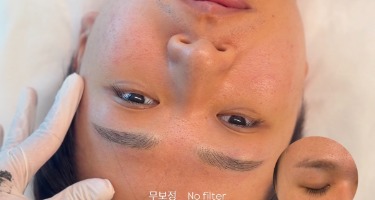
Why you need to be even more careful when getting a new treatment after removing existing eyebrows
Foret Seoul

TU Dental Clinic
4.8(200+)

When considering aesthetic dentistry, the comparison between ZERONATE and composite bonding has recently gained significant attention. Both treatments are known as minimally invasive options that aim to preserve natural tooth structure while improving the appearance of the smile. However, there are clear differences in the materials used, durability, and design approach. Both composite bonding and ZERONATE are minimally invasive aesthetic dental treatment options, but they differ in terms of material, durability, and design philosophy. The most appropriate choice depends on your dental condition and treatment goals, and should be determined through an individualized clinical evaluation. Rather than concluding that one option is inherently better, the appropriate choice may vary depending on your dental condition and the results you hope to achieve.v
Composite bonding is a treatment in which a composite resin is applied directly to the tooth surface to improve shape and shade. It is a relatively simple procedure that involves little to no reduction of the natural tooth structure.
It is commonly considered in the following cases:
In most cases, the procedure can be completed within a single day. Another advantage is that it can be partially repaired when needed. However, due to the nature of resin materials, discoloration or wear may occur over time, so regular maintenance is important.
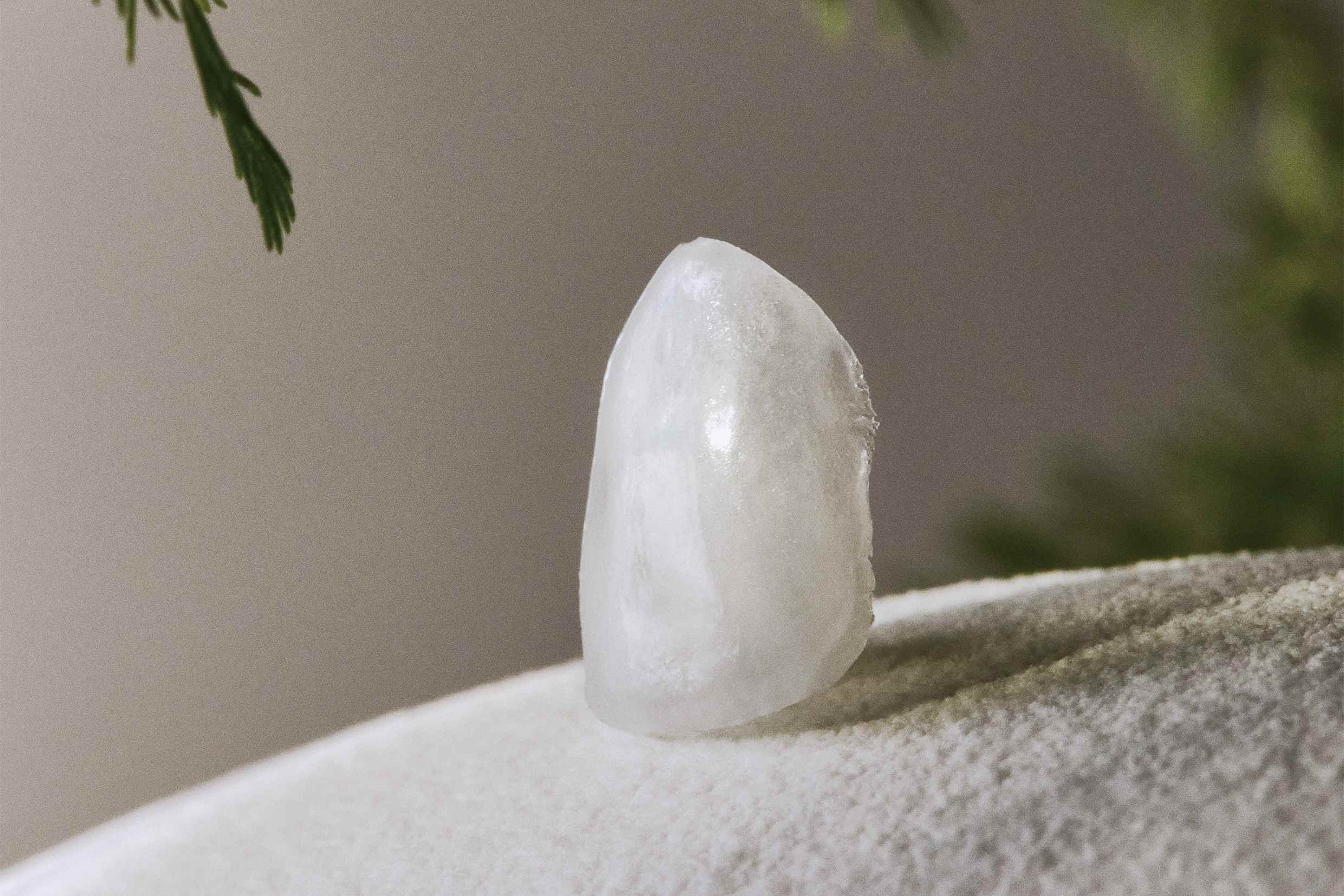
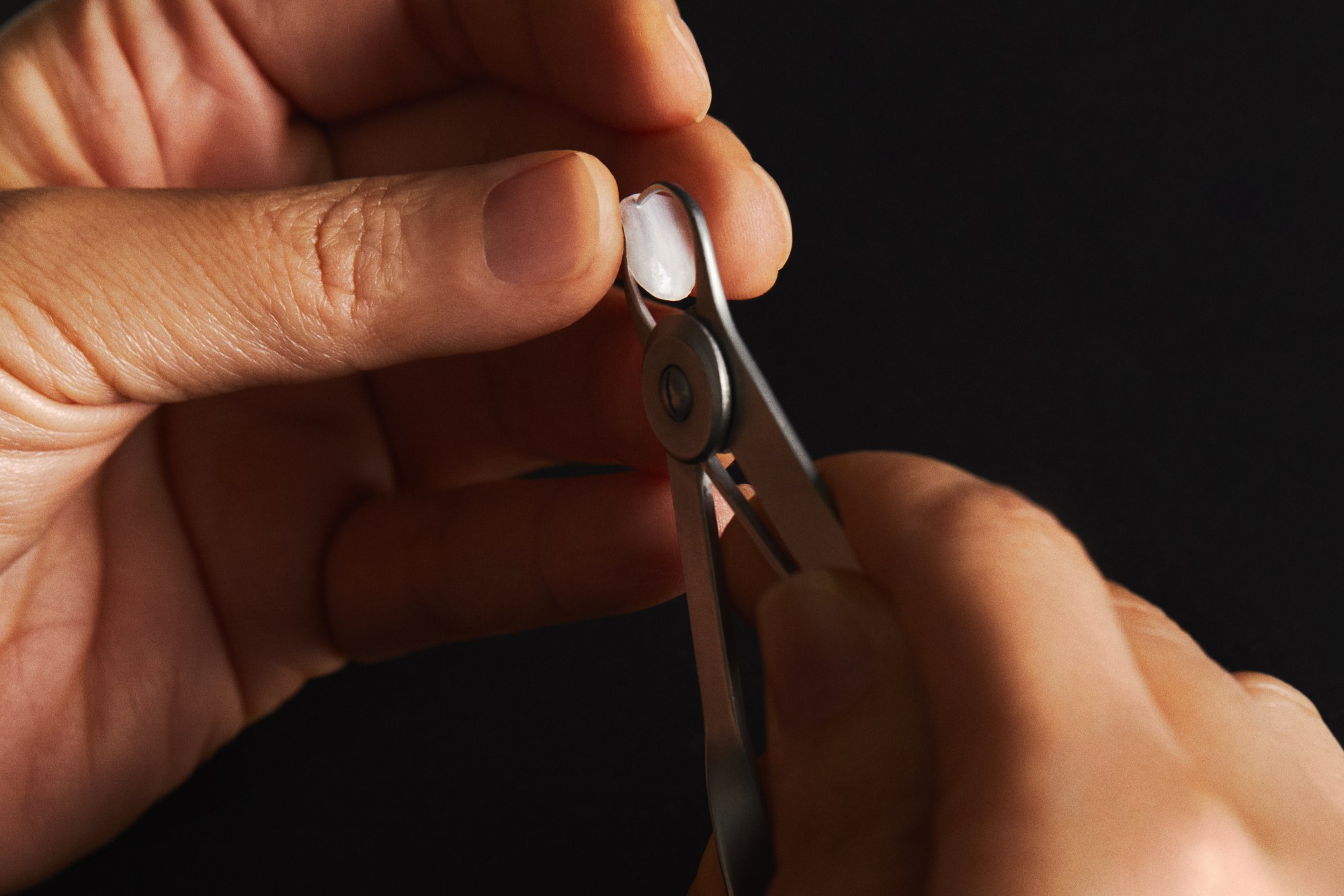
ZERONATE is a treatment that uses ultra-thin ceramic to improve aesthetics while preserving as much of the natural enamel as possible. Compared to conventional veneers, it is designed to minimize tooth reduction and focuses on achieving natural-looking shade and translucency.
It may be considered in the following cases:
Due to the nature of ceramic materials, it is resistant to discoloration and can maintain relatively stable aesthetic results in a long term.
| Category | Composite Bonding | ZERONATE |
|---|---|---|
| Material | Composite resin | Ultra-thin ceramic |
| Invasiveness | Minimal to none | No-prep / selective preparation |
| Longevity | Typically 3–5 years | Long-term durability |
| Color Stability | Prone to discoloration | Highly resistant to discoloration (permanent) |
| Aesthetics | Suitable for minor improvements | High level of translucency |
| Repairability | Partially repairable | May require replacement depending on the case |
| Number of Visits | Usually 1 visit, 2 or more visits with discoloration | Typically 1 visit |
This comparison is based on general characteristics, and results may vary depending on individual dental conditions.v
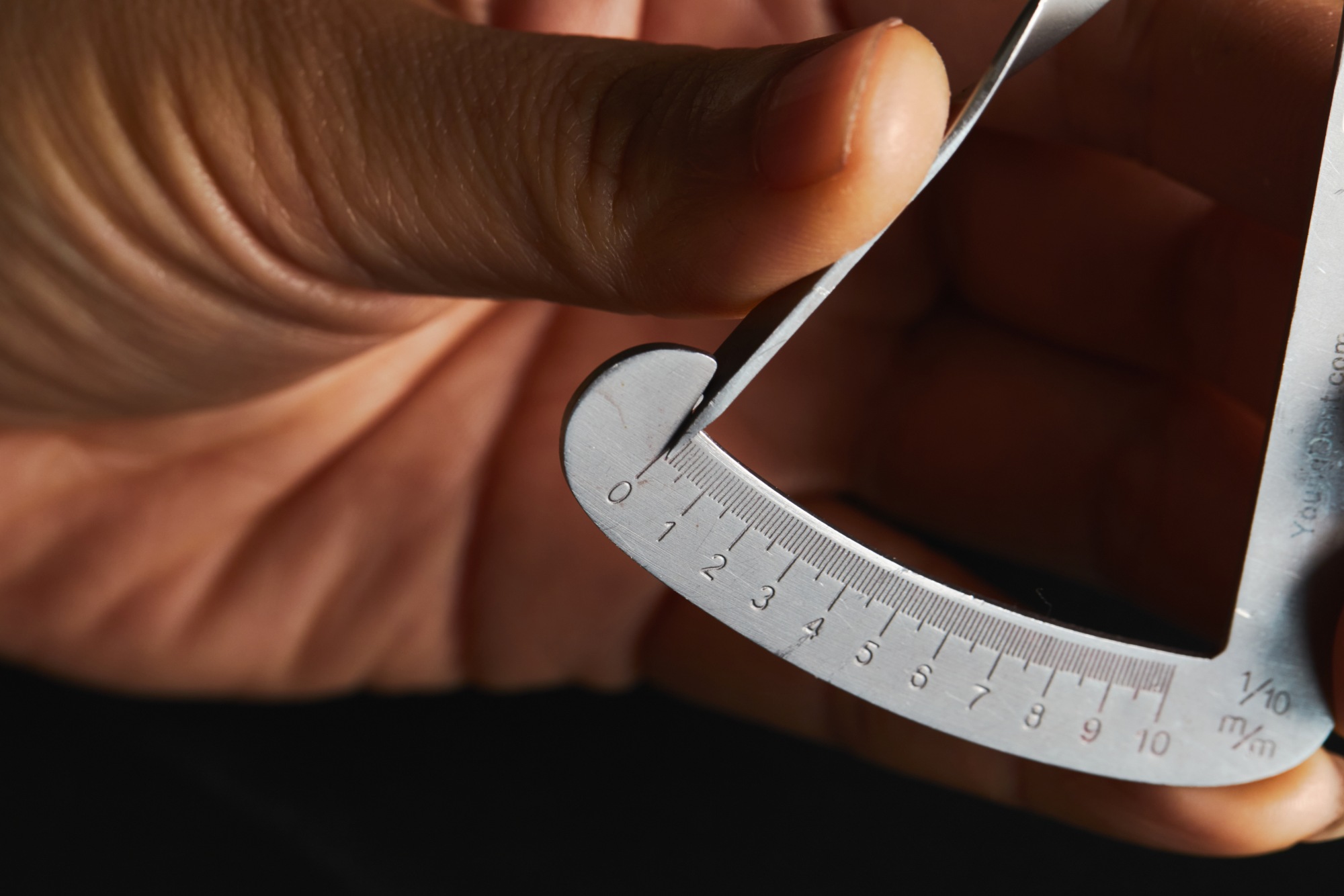
0 1 2 3 4 5 6 7 8 9 10 1/10 m/m
Room Numbers
Recently, searches such as “composite bonding Korea” and “composite bonding alternative Seoul” have increased, reflecting a growing number of international patients considering aesthetic dentistry in Korea.
When planning treatment, it is important to consider the following factors:
In particular, it is important to determine whether the clinic takes an approach in design that considers the overall smile line, rather than focusing on a single procedure.
Neither treatment may be suitable for every patient. The most appropriate option depends on your dental condition, occlusion, and personal goals, and should be determined through evaluation by a qualified clinician. Composite bonding may be prone to discoloration and wear with time. ZERONATE may also have limitations in its applicability depending on your dental condition. Therefore, rather than relying on a simple comparison, it is important to evaluate which option is more appropriate for your current condition.
If you prioritize preserving your natural teeth while considering both aesthetics and stability, learning more about ZERONATE may be worthwhile.
ZERONATE, being ceramic-based, can generally achieve a higher level of translucency and a more natural-looking gloss. However, for minor corrections, composite bonding can also expect sufficiently natural-looking results.
On average, composite bonding lasts around 3–5 years, although this may vary depending on individual maintenance.
While ZERONATE is similar in that it is ceramic-based, it differs in its approach by minimizing natural tooth reduction.
Some patients consider traveling to Korea due to the level of experience in aesthetic dentistry, a wide range of clinical cases, and a structural diagnosis system.
There is no single answer. The right choice depends on your dental condition, goals, and long-term maintenance plan. A precise decision should be made based on a thorough consultation and diagnosis.
K-Beauty
Foret Seoul
K-Beauty
Foret Seoul
![[Gangnam Lip Tattoo Review] Sinsa Station Lip Blush—can it be done naturally, without looking too dark, like bare lips?](https://image.kbstations.com/2026/08/28/447b33f1-f48c-45d4-93d4-cccd2e56b4ff)
Travel Guide
Foret Seoul
![[Gangnam Lip Tattoo Review] Sinsa Station Lip Blush—can it be done naturally, without looking too dark, like bare lips?](https://image.kbstations.com/2026/08/28/a977b0d0-99ad-40b3-9105-c100a7a1eac7)