Expert Guide
Why Korean Clinics Are Saying “No” More Often
SECRET CLINIC
5.0(2)
Sometimes the most valuable treatment decision is choosing not to treat.
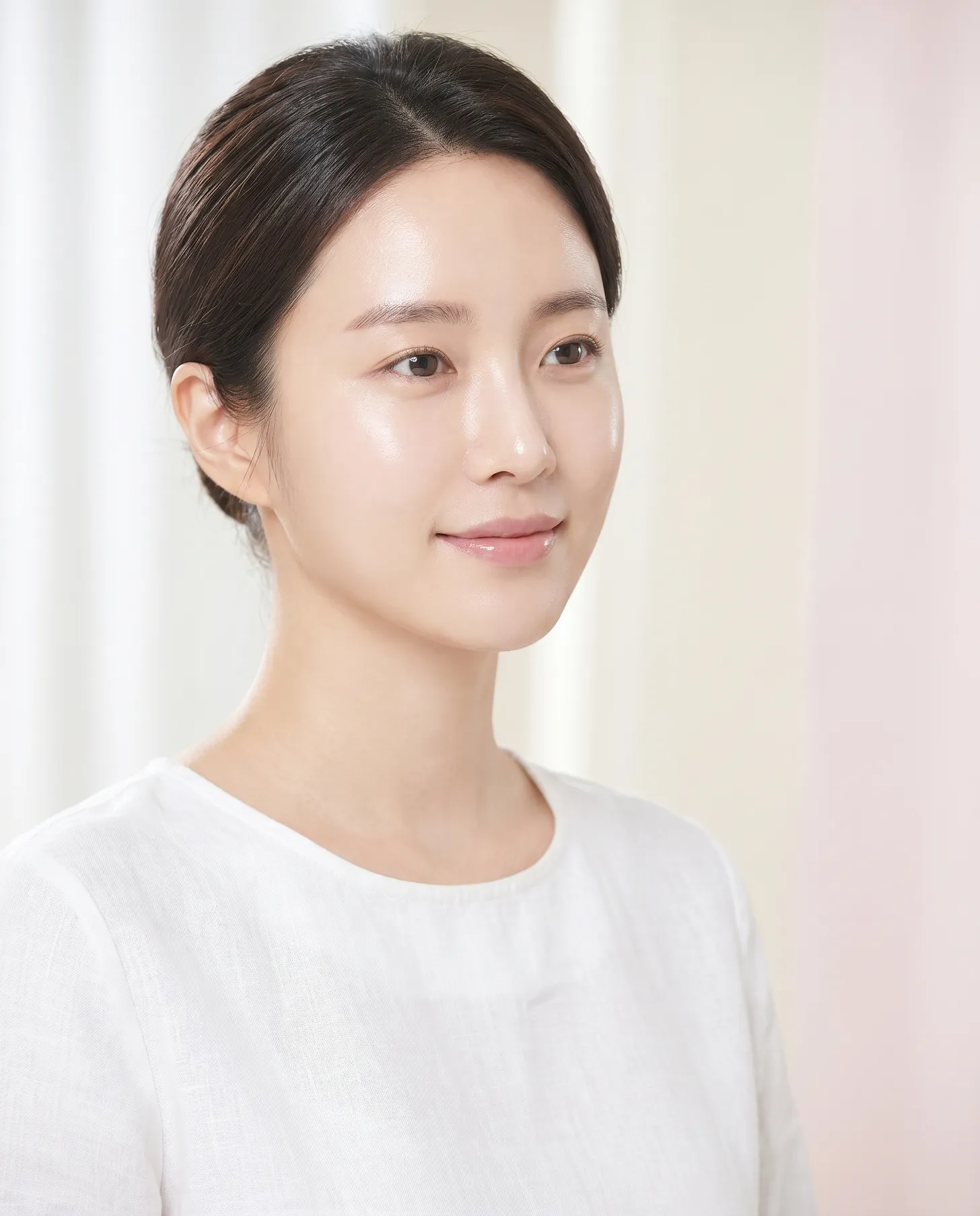
One of the biggest misconceptions about aesthetic medicine is that every consultation ends with a treatment plan.
In reality, some of the most meaningful consultations end with a simple conversation.
“We don’t need to do that.”
Over the past decade, I’ve noticed a gradual shift in many Korean clinics. The question is no longer, “What treatment can we add?”
Instead, it’s becoming:
“Should we treat this at all?”
That may sound surprising in an industry built around procedures, but I believe it reflects a healthier philosophy.
Not every wrinkle needs to disappear.
Not every face needs to be lifted.
Not every asymmetry needs to be corrected.
Sometimes the feature a patient wants to change is the very thing that gives their face character.
Patients today are also arriving with more information than ever before. They come in with screenshots, social media trends, and recommendations from influencers around the world.
Some requests are appropriate.
Others simply don’t suit the individual sitting in front of us.
As physicians, our responsibility isn’t only to know how to perform treatments.
It’s also knowing when not to.
Ironically, I think saying “no” has become one of the strongest ways to build trust.
Patients may leave disappointed in the moment, but many return later because they realize the recommendation wasn’t driven by selling another procedure.
In Korean aesthetics, the goal has gradually shifted from doing more to doing what is necessary—and sometimes, that means doing less.
Perhaps the future of aesthetic medicine won’t be defined by the number of treatments available.
It may be defined by the judgment to know which ones should never be performed in the first place.
by. Secretclinic gangnam