

K-Beauty
Is ZERONATE Permanent?
TU Dental Clinic


TU Dental Clinic
4.8(200+)

When considering aesthetic dental treatments, two of the most commonly compared keywords are composite bonding and veneers. While both procedures can effectively enhance the shape and shade of teeth to improve the appearance of your smile, they differ in important ways in terms of treatment method, durability, invasiveness, and maintenance. Choosing the most appropriate treatment is not simply a matter of comparison. It should be determined by considering your individual tooth structure and long-term treatment plan.
Composite bonding is a treatment in which a composite resin is directly applied to the surface of the teeth to improve their shape and shade. It is a relatively simple procedure that involves little to no reduction of the natural tooth structure.
It is frequently used in the following cases:
In most cases, the procedure can be completed within a single day, making it a highly accessible treatment. Another advantage is that partial repairs can be performed when needed. However, due to the nature of resin materials, discoloration or wear may occur over time, and periodic maintenance or touch-ups may be required.
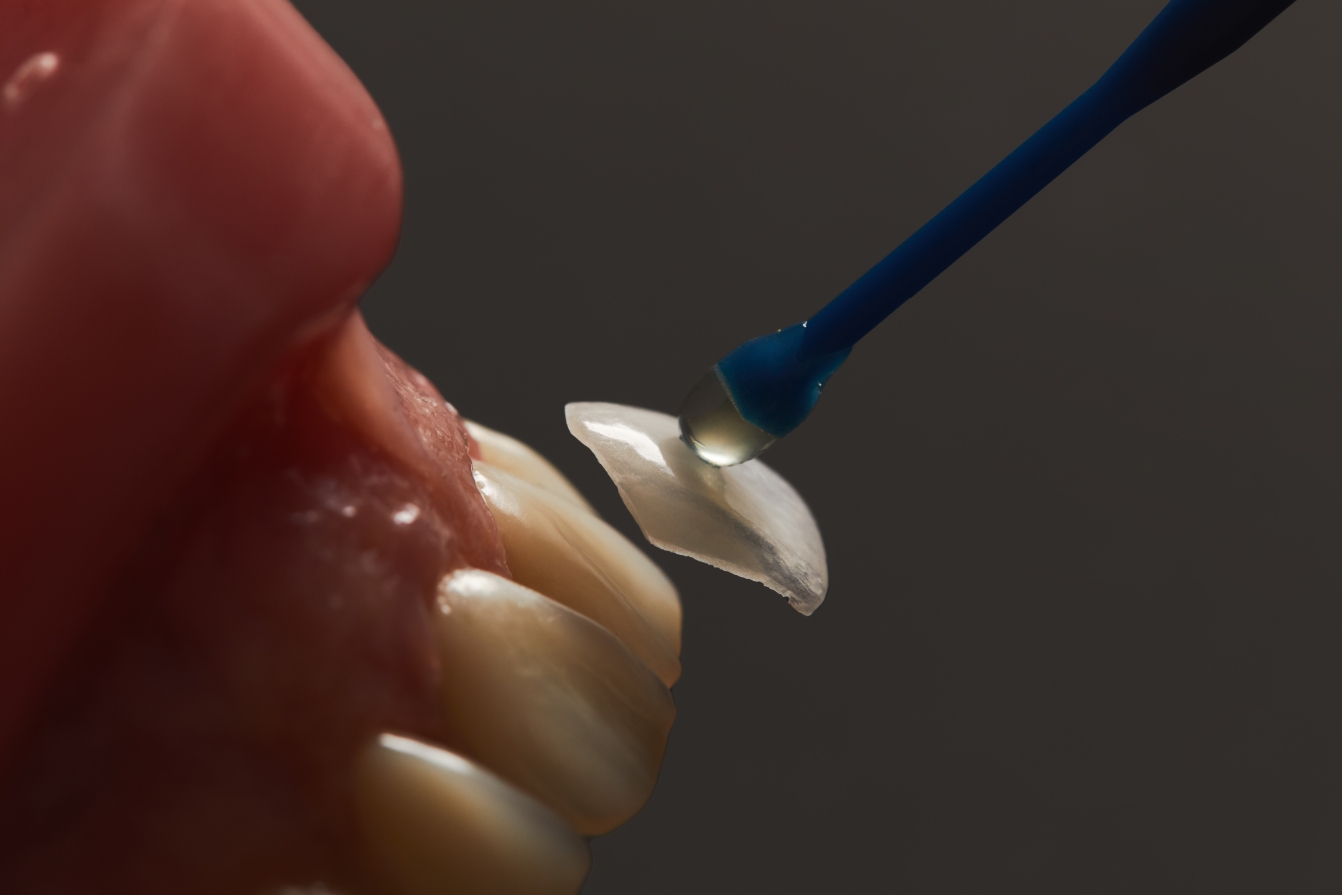
Traditional veneers are thin ceramic shells bonded to the front surface of the teeth to improve both shape and shade. Because they are custom-fitted, they can achieve a level of translucency and gloss similar to that of natural teeth.
They are often considered in the following cases:
Traditional veneers generally offer high color stability and strong resistance to wear due to the nature of ceramic materials. However, a certain amount of enamel reduction may be required to secure sufficient space for the prosthesis, and this process is irreversible.
oral design
J.ONE
Composite bonding is generally considered a more accessible treatment option. Traditional veneers require more time and precision due to the custom fabrication process and the nature of ceramic materials. Actual costs may vary depending on the range of applications and individual dental conditions.
Composite bonding can be relatively easy to repair if needed. Traditional veneers, while offering high initial results, may require full replacement if damaged.
Composite bonding involves minimal to no tooth reduction. Traditional veneers often require the adjustment of a portion of the enamel to facilitate the attachment of the prosthesis. This difference is also linked to reversibility.
Composite bonding allows for relatively simple additional restoration in the event of partial damage. Traditional veneers often require complete replacement of the prosthesis if a fracture occurs.
Composite bonding may be more prone to discoloration and may not achieve the same level of translucency as ceramic materials. Traditional veneers require enamel reduction, which is irreversible. Both methods have limitations in range of application depending on the patient’s tooth structure and occlusion. Therefore, rather than relying on simple comparisons, it is important to determine which method is the most appropriate based on your current dental condition.
ZERO NATE
oral design
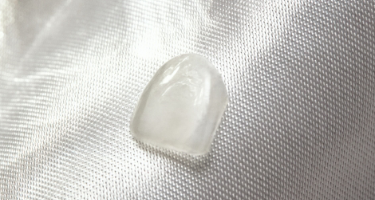
When comparing composite bonding and veneers, you might ask, “Is there a way to utilize the benefits of ceramic while maximizing the preservation of natural teeth?” ZERONATE is designed to use ultra-thin ceramic with near-zero thickness, with the goal of preserving natural enamel as much as possible. In other words, it targets minimizing reduction while considering the aesthetics and long-term stability of ceramic. If preserving natural tooth structure is your priority, look into ZERONATE first.
Ceramic veneers can generally achieve higher translucency and gloss. However, for minor corrections, composite bonding can also provide sufficiently natural-looking results.
Discoloration may occur over time due to factors such as coffee, wine, or smoking. Regular maintenance is important.
Replacement may be necessary after a long-term use period of 7 to 10 years. The lifespan depends on the individual's occlusion and how well they are cared for.
Budget is an important factor to consider. However, it is necessary to consider not only the short-term cost but also the long-term maintenance plan.
There is no single right answer. The most suitable choice between composite bonding and veneers varies depending on your goals, budget, dental condition, and long-term plans. An accurate decision should be made through a precise clinical diagnosis.