In my consultation room, patients rarely ask to erase their age. More often, they simply want to stop looking tired.
There’s a phrase I hear surprisingly often during consultations.
“People keep asking me if I’m tired.”
Sometimes the patient is in their 30s. Sometimes their 40s or 50s. They may sleep well, exercise regularly, and feel perfectly fine.
But their face seems to be telling a different story.
What’s interesting is that these patients rarely say, “I want to look ten years younger.”
They usually say something much simpler.
“I just want to look less tired.”
I think this says a lot about how attitudes toward aging are changing in Korea.
For a long time, aesthetic medicine was closely associated with youth. Wrinkles were something to erase. Sagging was something to lift. Volume was something to restore.
But looking tired is more complicated than any one of those things.
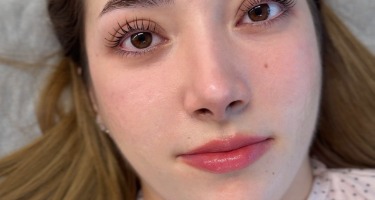
Sometimes it’s the shadow under the eyes. Sometimes the skin has lost some of its brightness. Sometimes subtle changes in facial volume make the midface look heavier. And sometimes there isn’t one obvious problem at all.
It’s just the overall impression.
This is something I’ve become more conscious of over the years.
When I was younger as a doctor, it was tempting to look at a face as a collection of individual concerns: a wrinkle here, some laxity there, a little volume loss somewhere else.
Now I find myself stepping back more.
I want to know what the face looks like when the patient talks. How their expression changes when they smile. Where shadows appear under normal lighting.
Because a face doesn’t exist as a still photograph.
And looking younger isn’t necessarily the same thing as looking better.
A completely smooth face can still look tired. Someone with visible lines around their eyes can look remarkably healthy and attractive.
That distinction matters.
I think this is partly why many patients in Seoul have become more conservative about aesthetic treatments. They aren’t necessarily trying to remove every sign of age.
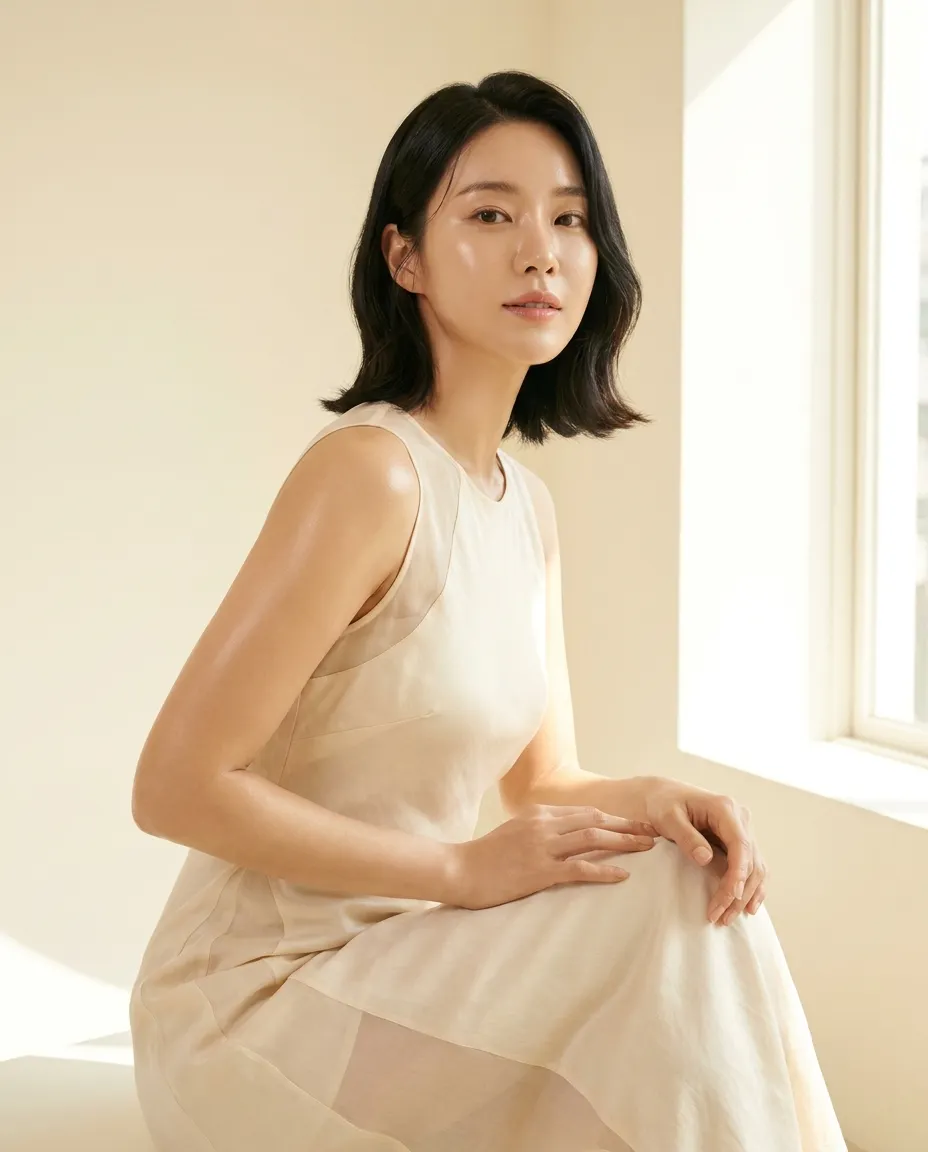
They want to look healthy for their age.
They want colleagues to stop asking if they had a long night.
They want to look in the mirror and recognize themselves—just on a good day.
Personally, I think that’s a much more realistic goal for aesthetic medicine.
Aging is inevitable. Looking exhausted all the time doesn’t have to be.
And perhaps the goal was never really to look younger.
Maybe it was simply to look like yourself when you’re well rested.
by. Secretclinic Seoul