
Dermatology
Why Looking Rested Is Becoming More Important Than Looking Younger
SECRET CLINIC


TU Dental Clinic
4.8(200+)
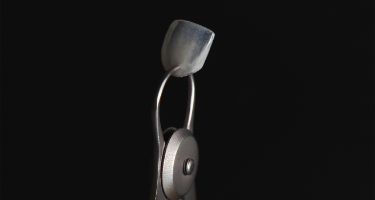
When considering ZERONATE, one of the most common concerns is: “Is it really safe, even if no tooth reduction is involved?” —in other words, whether it may harm the teeth. Since teeth cannot naturally recover once damaged, "how conservative the treatment is" becomes a crucial criterion when choosing aesthetic procedures. To put it simply, ZERONATE is an aesthetic treatment designed with the preservation of natural teeth as the top priority. However, as with any dental treatment, suitability and considerations may vary depending on each patient’s dental condition.
Conventional veneers are typically placed after a thin layer of the tooth surface is reduced.
The tooth reduction performed during this process has the following characteristics:
While the procedure is performed precisely within a necessary range, it still involves modifying the natural tooth structure. For this reason, some patients may have concerns about potential damage to their teeth. Especially for international patients who are sensitive to tooth reduction, there is often a significant concern regarding whether it is right to "grind down healthy teeth for the sake of aesthetic improvement.”
Unlike conventional approaches, ZERONATE is designed to minimize tooth reduction or avoid enamel reduction whenever possible. Its key differences include:
In other words, it is an approach that aims for aesthetic improvement while minimizing changes to the tooth structure. Due to these characteristics, it is often considered a preferred alternative for patients who feel a significant burden regarding tooth reduction.
The ZERONATE procedure involves precisely bonding a thin prosthesis over the natural teeth. Key characteristics of this process include:
Since the teeth are not significantly reduced, the original shape and strength of the natural teeth are largely maintained.
Since there is little to no reduction involved, or it is extremely limited, the physical stimulation applied to the dental nerves is relatively low.
By securing the prosthesis to the tooth surface using special bonding techniques, this method focuses on maintaining a natural appearance through both chemical and physical adhesion. In conclusion, ZERONATE can be understood as a treatment that induces aesthetic improvement within a scope that preserves the integrity of the tooth structure.
As with all dental treatments, there are variables depending on the individual's condition. ZERONATE is no exception. The following factors are evaluated before the procedure:
Especially in environments where excessive force is applied to the teeth, there may be an increased risk of wear or detachment of the prosthesis. Furthermore, if the condition of the tooth surface is poor, the bonding stability may decrease, making a precise diagnosis before the procedure is essential. Therefore, rather than being a "one-size-fits-all treatment," ZERONATE is more accurately described as a method where conservative therapeutic effects can be expected if the dental condition is suitable. Patients with existing tooth decay, weakened enamel, or gum issues should consult a dental specialist to determine suitability before treatment.
Learn More About ZERONATE Treatment Method and Suitable Candidates
👉 ZERONATE
Q. Does ZERONATE weaken your teeth?
ZERONATE is performed without enamel reduction, or with selective tooth reduction when necessary, and is designed to preserve the natural tooth structure. However, the approach may vary depending on each patient’s dental condition.
Q. Is the procedure painful?
Since the tooth reduction process is limited, irritation during the procedure is relatively low. As pain sensitivity varies by individual, details will be provided during your preliminary consultation.
Q. Can ZERONATE be safely removed?
Removal is performed in a way that minimizes damage to natural teeth. However, the specific method may vary depending on the condition of your teeth. By utilizing laser removal techniques, it is possible to remove the prosthesis while preserving the natural tooth structure to the maximum extent.